
Understanding Heart Rate Variability (HRV) and Its Impact on Athletic Performance

Figure-1-Heart-Rate-Variability.webp


In the world of fitness and sports, tracking various metrics is crucial for optimising performance and recovery. One such metric gaining attention among athletes, coaches, and fitness enthusiasts is Heart Rate Variability (HRV). This blog will explore what HRV is, why it matters, how it relates to athletic performance, and how athletes can use HRV data to enhance their training and recovery.

What is Heart Rate Variability (HRV)?


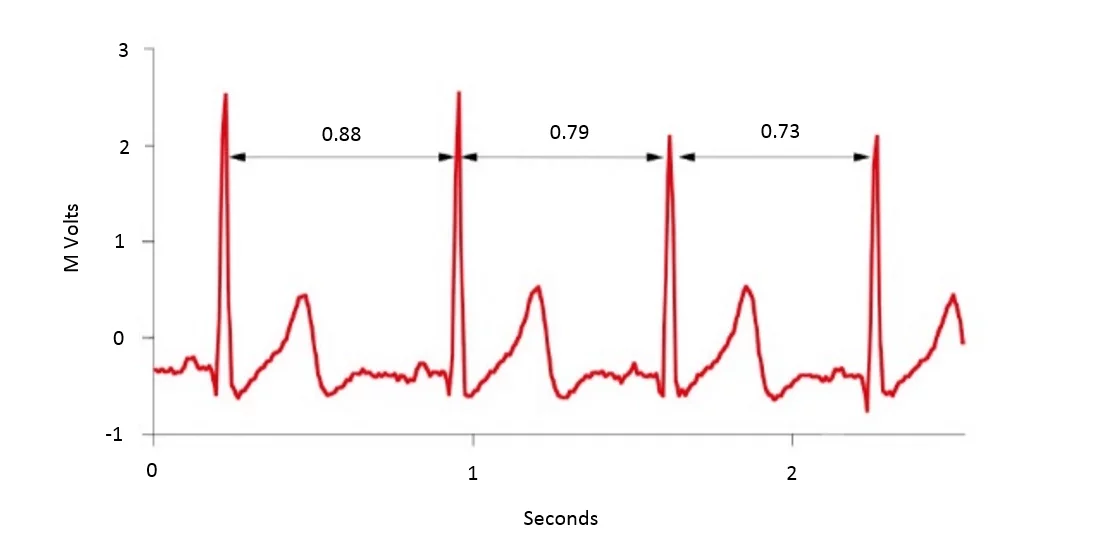
Heart Rate Variability (HRV) refers to the variation in the time interval between consecutive heartbeats, also known as R-R intervals. Unlike a simple heart rate measure, which counts the number of beats per minute, HRV focuses on the subtle differences in the time intervals between beats. This variability is influenced by the autonomic nervous system (ANS), which regulates many unconscious bodily functions.

The ANS is divided into two branches:

Sympathetic Nervous System (SNS): Often referred to as the "fight or flight" system, the SNS prepares the body for intense physical activity by increasing heart rate, dilating pupils, and redirecting blood flow to muscles.

Parasympathetic Nervous System (PNS): Known as the "rest and digest" system, the PNS promotes relaxation, digestion, and recovery by slowing the heart rate and enhancing bodily maintenance processes.

A healthy, well-functioning ANS exhibits a high HRV, indicating a strong ability to adapt to stressors and recover from them.

The Science Behind HRV


HRV serves as an important indicator of overall cardiovascular and autonomic health. It is influenced by factors such as respiration, blood pressure regulation, and the body's overall state of stress or relaxation. A higher HRV generally indicates a robust autonomic response, suggesting good health, strong cardiovascular fitness, and efficient recovery capabilities. Conversely, lower HRV can be a sign of stress, fatigue, or overtraining, which may impair performance and increase the risk of injury or illness.

Research by Shaffer and Ginsberg (2017) provides a comprehensive overview of HRV metrics and norms, highlighting its importance in understanding cardiovascular and autonomic function.

HRV and Athletic Performance


Monitoring Training Load and Recovery


HRV is widely used by athletes and coaches to monitor training load and recovery. By tracking daily HRV, athletes can gauge their readiness to train and adjust their workouts accordingly. For example, a significant drop in HRV may indicate insufficient recovery or overtraining, suggesting the need for a lighter training day or additional rest. Plews et al. (2013) found that consistent HRV measurements could reliably indicate an athlete's state of recovery and readiness for high-intensity training.

Predicting Performance


HRV can also be predictive of athletic performance. A well-recovered athlete with a balanced autonomic response is more likely to perform optimally. Conversely, persistently low HRV can indicate a reduced capacity to cope with training stress, potentially leading to suboptimal performance or even burnout. Myllymäki et al. (2012) demonstrated that lower HRV is associated with impaired sleep quality and recovery, which can negatively impact performance.

Guiding Training Adjustments


Athletes can use HRV data to make informed decisions about their training intensity and volume. For instance, if an athlete notices a trend of decreasing HRV, it might be wise to reduce training intensity or increase recovery efforts. Stanley, Peake, and Buchheit (2013) suggest using HRV to assess cardiac parasympathetic reactivation following exercise, providing valuable insights for optimising training prescription.

How to Monitor and Interpret HRV


Measuring HRV typically involves using a heart rate monitor and specialised software or apps that analyse the time intervals between heartbeats. Various metrics can be derived from HRV data, including the standard deviation of normal-to-normal intervals (SDNN), the root mean square of successive differences (RMSSD), and frequency domain measures. These metrics provide different insights into autonomic function and can help tailor training and recovery strategies.

Practical Applications and Considerations


Daily Monitoring


Incorporating daily HRV monitoring can help athletes understand their body's responses to different types of training and stress. Regular measurements can identify patterns and help in making informed decisions about training loads, intensity, and recovery needs.

Contextual Analysis


HRV should be interpreted within the context of other factors, such as sleep quality, nutrition, psychological stress, and overall workload. Sandercock and Brodie (2006) emphasised the importance of considering the broader context when using HRV to assess autonomic control during exercise.

Individual Variability


It's important to note that HRV is highly individual. Factors such as genetics, baseline fitness levels, and even gender can influence HRV. Thus, athletes and coaches should focus on individual trends rather than absolute values. Buchheit and Gindre (2006) discussed how different exercise modalities and intensities could affect HRV differently in individuals.

Enhancing HRV


Several strategies can help athletes improve their HRV and overall performance:

Adequate Sleep: Prioritise sleep quality and duration to support recovery and autonomic balance.

Balanced Nutrition: Maintain a diet rich in essential nutrients to support overall health and recovery.

Stress Management: Incorporate stress-reduction techniques such as meditation, deep breathing, or yoga into daily routines.

Regular Exercise: Engage in regular, balanced physical activity to enhance cardiovascular fitness and autonomic function.

Hydration: Ensure proper hydration to support cardiovascular and autonomic health.

Conclusion


Heart Rate Variability (HRV) is a powerful tool for athletes and coaches, providing critical insights into the body’s readiness and recovery status. By monitoring HRV, athletes can optimise their training programmes, enhance recovery, and ultimately improve their performance. As with any metric, HRV should be considered as part of a comprehensive approach to training and wellness, alongside other indicators and personal factors. With proper understanding and application, HRV can be a game-changer in the pursuit of athletic excellence.


References


Shaffer, F., & Ginsberg, J. P. (2017). "An Overview of Heart Rate Variability Metrics and Norms." Frontiers in Public Health, 5, 258.

Plews, D. J., Laursen, P. B., Kilding, A. E., & Buchheit, M. (2013). "Heart Rate Variability in Elite Endurance Athletes: Testing the Minimum Number of Days Required for a Reliable Estimate." Frontiers in Physiology, 4, 197.

Myllymäki, T., Rusko, H., Syväoja, H., Juuti, T., Kinnunen, M. L., & Kyröläinen, H. (2012). "Effects of Exercise Intensity and Duration on Nocturnal Heart Rate Variability and Sleep Quality." European Journal of Applied Physiology, 112(3), 801-809.

Stanley, J., Peake, J. M., & Buchheit, M. (2013). "Cardiac Parasympathetic Reactivation Following Exercise: Implications for Training Prescription." Sports Medicine, 43(12), 1259-1277.

Sandercock, G. R., & Brodie, D. A. (2006). "The Use of Heart Rate Variability Measures to Assess Autonomic Control during Exercise." Scandinavian Journal of Medicine & Science in Sports, 16(5), 302-313.

Buchheit, M., & Gindre, C. (2006). "Cardiac Parasympathetic Regulation: Respective Influence of Modality and Intensity of Exercise." Sports Medicine, 36(8), 697-711.


The Importance of Sleep in a Culture of Overwork and Its Impact on Athletic Performance


Tips-To-Improve-Sleep-1200x610.jpg

In today's fast-paced society, where overworking and under-recovering have become the norm, sleep often takes a back seat. Whether you're in a high-pressure office job, a demanding medical field, or striving for athletic excellence, the emphasis on productivity and achievement frequently overshadows the critical need for rest. This blog delves into the significance of sleep, especially for athletes, and offers practical advice on improving sleep hygiene to enhance both general health and athletic performance.

The Role of Sleep in Athletic Performance

1. Recovery and Repair

For athletes, sleep is not just a period of rest but a vital component of recovery and repair. During deep sleep stages, the body releases growth hormone, essential for muscle repair and growth (Hannibal, 2018). This recovery process is crucial for improving performance and preventing injuries. Without adequate sleep, athletes may experience diminished training gains and prolonged recovery times.

2. Cognitive Function

Sleep has a profound impact on cognitive functions such as concentration, decision-making, and reaction times. Research by Walker (2017) indicates that sleep deprivation impairs cognitive performance and motor skills, which are crucial for tasks requiring precision and quick reflexes. This is especially important for athletes who rely on sharp focus and split-second decisions during competition.

3. Hormonal Regulation

Sleep plays a critical role in regulating hormones that control appetite, stress, and metabolism. Studies have shown that sleep deprivation can disrupt levels of leptin and ghrelin, hormones responsible for hunger and satiety, leading to increased appetite and potential weight gain (Spiegel et al., 2004). For athletes, maintaining hormonal balance through adequate sleep is vital for optimal performance and body composition.

4. Immune Function

Quality sleep supports a robust immune system, reducing the risk of illness and injury. According to Cohen et al. (2009), insufficient sleep can compromise the immune system, making athletes more susceptible to infections and illnesses that can hinder training and performance.

Health Impacts of Sleep Deprivation

1. Sleep and Appetite Regulation

Sleep deprivation can lead to increased caloric intake and weight gain. A study by Calvin et al. (2013) found that individuals with restricted sleep consumed significantly more calories compared to those who slept normally. This imbalance in energy intake can be detrimental to athletes trying to manage their weight and optimise performance.

2. Metabolic Disturbances

Chronic sleep deprivation can lead to elevated cortisol levels, a stress hormone associated with muscle loss and fat accumulation. Song et al. (2015) demonstrated that sleep deprivation resulted in higher cortisol levels and increased mental health risks. For athletes, this means that inadequate sleep can impair muscle recovery and hinder overall progress.

3. Impacts on Weight Loss Efforts

Adequate sleep is essential for effective weight loss and maintaining muscle mass. Nedeltcheva et al. (2010) found that sleep-deprived individuals lost significantly less weight and more muscle mass compared to those who slept well. This underscores the importance of sufficient sleep in achieving fitness and weight management goals.

4. Cardiovascular and Immune System Effects

Lack of sleep can lead to serious health issues, including hypertension, high cholesterol, and a heightened risk of heart attacks. Chronic sleep deprivation also weakens the immune system, making individuals more susceptible to illnesses and potentially increasing the risk of certain cancers (Hanson & Huecker, 2020).


Steps to Improve Sleep Hygiene and Quality

1. Maintain a Consistent Sleep Schedule

Going to bed and waking up at the same time every day helps regulate your circadian rhythm and improves sleep quality. Wright et al. (2015) found that consistent sleep patterns support better overall sleep health.

2. Create a Relaxing Bedtime Routine

Developing a pre-sleep routine can help signal to your body that it’s time to unwind. Activities like reading, gentle stretching, or a warm bath can help relax your mind and body, making it easier to fall asleep (Hirshkowitz et al., 2015).

3. Optimize Your Sleep Environment

Ensure your sleep environment promotes restfulness. This includes maintaining a cool room temperature (around 18°C), using a comfortable mattress, and minimising light and noise. A study by Okamoto-Mizuno and Mizuno (2012) showed that a cooler bedroom environment enhances sleep quality.

4. Limit Exposure to Screens

The blue light from electronic devices can interfere with melatonin production, crucial for regulating sleep. Reducing screen time before bed can help improve sleep quality and duration, as highlighted by Chang et al. (2015).

5. Monitor Caffeine and Alcohol Intake

Caffeine and alcohol can negatively impact sleep quality. Avoid consuming these substances in the hours leading up to bedtime. Research by Roehrs and Roth (2001) indicates that both can lead to fragmented sleep and reduced overall sleep quality.

6. Manage Stress

Chronic stress can disrupt sleep patterns. Incorporating stress management techniques, such as mindfulness, meditation, or deep breathing exercises, can improve sleep quality. Goyal et al. (2014) found that mindfulness meditation can enhance sleep quality and reduce insomnia symptoms.

7. Prioritise Sleep

Recognise that sleep is as crucial as diet and exercise for achieving peak athletic performance. Athletes should aim for 7-9 hours of sleep per night to support their training and recovery needs. Fuller et al. (2006) emphasised that sleep is an integral component of a successful training regimen.


Conclusion

In a culture that often prioritises work and productivity over rest, it is essential to recognise the critical role of sleep in maintaining overall health and optimising athletic performance. By adopting effective sleep hygiene practices and prioritising rest, athletes and individuals alike can enhance their performance, support recovery, and improve overall well-being. Embrace the importance of sleep and make it a cornerstone of your health and fitness strategy.


References

  • Calvin, A. D., Carter, R. E., Adachi, T., Macedo, P. G., Albuquerque, F. N., van der Walt, C., Bukartyk, J., Davison, D. E., Levine, J. A., & Somers, V. K. (2013). "Effects of Experimental Sleep Restriction on Caloric Intake and Activity Energy Expenditure." Chest, 144(1), 79-86. https://doi.org/10.1378/chest.12-2829

  • Cohen, S., Doyle, W. J., Alper, C. M., Janicki-Deverts, D., & Turner, R. B. (2009). "Sleep habits and susceptibility to the common cold." Archives of Internal Medicine, 169(1), 62-67.

  • Chang, A. M., Aeschbach, D., Duffy, J. F., & Czeisler, C. A. (2015). "Evening use of light-emitting eReaders negatively affects sleep, circadian timing, and next-morning alertness." Proceedings of the National Academy of Sciences, 112(4), 1232-1237.

  • Fuller, P. M., & Saper, C. B. (2006). "The regulation of sleep and wakefulness." Neuroscience & Biobehavioral Reviews, 30(2), 283-293.

  • Goyal, M., Singh, S., Sibinga, E. M., & Gould, N. F. (2014). "Meditation programs for psychological stress and well-being: A systematic review and meta-analysis." JAMA Internal Medicine, 174(3), 357-368.

  • Hannibal, J. (2018). "Role of the Sleep Hormone Melatonin in Regulating the Immune Response." Journal of Clinical Medicine, 7(7), 212.

  • Hanson, J. A., & Huecker, M. R. (2020). "Sleep Deprivation." PubMed; StatPearls Publishing. https://www.ncbi.nlm.nih.gov/books/NBK547676/

  • Hirshkowitz, M., Whiton, K., Albert, S. M., & Alessi, C. (2015). "National Sleep Foundation’s sleep time duration recommendations: methodology and results summary." Sleep Health, 1(1), 40-43.

  • Magee, C. A., Iverson, D. C., & Caputi, P. (2009). "Factors associated with short and long sleep." Preventive Medicine, 49(6), 461-467. https://doi.org/10.1016/j.ypmed.2009.10.006

  • Nedeltcheva, A., Kilkus, J., Imperial, J., Schoeller, D., & Penev, P. (2010). "Insufficient sleep undermines dietary efforts to reduce adiposity." Annals of Internal Medicine, 153(7). https://doi.org/10.1059/0003-4819-153-7-201010050-00006

  • Okamoto-Mizuno, K., & Mizuno, K. (2012). "Effects of thermal environment on sleep and circadian rhythm." Journal of Physiological Anthropology, 31(1), 14.

  • Papatriantafyllou, E., Efthymiou, D., Zoumbaneas, E., Popescu, C. A., & Vassilopoulou, E. (2022). "Sleep Deprivation: Effects on Weight Loss and Weight Loss Maintenance." Nutrients, 14(8), 1549. https://doi.org/10.3390/nu14081549

  • Roehrs, T., & Roth, T. (2001). "Caffeine: sleep and daytime sleepiness." Sleep Medicine Reviews, 5(2), 73-88.

  • Song, H., Sun, X., Yang, T., Zhang, L., Yang, J., & Bai, J. (2015). "Effects of sleep deprivation on serum cortisol level and mental health in servicemen." International Journal of Psychophysiology, 96(3), 169-175. https://doi.org/10.1016/j.ijpsycho.2015.04.008

  • Spiegel, K., Leproult, R., & Van Cauter, E. (2004). "Impact of sleep deprivation on premenopausal and postmenopausal women’s leptin and ghrelin levels." Journal of Clinical Endocrinology & Metabolism, 89(11), 5774-5781.

  • Walker, M. P. (2017). "The benefits of sleep for athletes." Nature Reviews Neuroscience, 18(6), 348-359.

  • Wright, K. P., Jr, Gronfier, C., Duffy, J. F., & Czeisler, C. A. (2015). "Entrainment of the human circadian clock to the natural light-dark cycle." Current Biology, 15(24), 2087-2093.

Harnessing the Power of Wearable Activity Trackers


fitness_tracker.png

In the fast-moving world of fitness technology, wearable activity trackers (WATs) have emerged as revolutionary tools. Over the past decade, these devices have grown immensely popular, offering a wide range of benefits while also presenting certain privacy and security concerns. The study “Wearable Activity Trackers: A Survey on Utility, Privacy, and Security” by Kavous Salehzadeh Niksirat et al. (2024) delves into these areas, offering valuable insights for fitness professionals. This article summarises the study's key findings and explores how fitness professionals can apply these insights to enhance their services and client outcomes.

Advantages of Wearable Activity Trackers

The study outlines several significant benefits of WATs that can greatly improve fitness programs:

  1. Enhancing Physical Activity: WATs are designed to motivate users to increase their physical activity. By tracking metrics such as steps, heart rate, and calories burned, these devices provide real-time feedback that encourages users to remain active. Fitness professionals can utilise this data to set personalised fitness goals for their clients and monitor their progress.

  2. Comprehensive Health Monitoring: Beyond tracking physical activity, WATs monitor various health metrics, including sleep patterns, stress levels, and heart rate variability. This extensive health data enables fitness professionals to gain deeper insights into their clients’ overall well-being. For example, understanding a client’s sleep quality can aid in designing more effective workout routines and recovery plans.

  3. Promoting Behaviour Change: WATs feature reminders and notifications that can reinforce positive behaviours. Fitness professionals can use these tools to remind clients about their workouts, encourage hydration, and promote other healthy habits.

  4. Encouraging Social Interaction and Motivation: Many WATs have social features that allow users to share their progress, participate in challenges, and compete with others. Fitness professionals can create group challenges to build a sense of community and motivate clients through healthy competition.


  5. whoop.jpg


Customizing Services Based on Usage Patterns

The study identifies various user types and usage patterns, providing valuable insights for fitness professionals:

  • Understanding User Motivations: Clients use WATs for different reasons, such as goal setting, self-reflection, and social sharing. Recognizing these motivations can help fitness professionals tailor their approaches to meet individual needs. For instance, goal-oriented clients may benefit from structured fitness plans, while those interested in self-reflection might appreciate detailed feedback and analysis of their performance data.

  • Factors Influencing Adoption and Adherence: The study highlights factors that influence the adoption and sustained use of WATs, such as perceived benefits, social influences, and usability. Fitness professionals can address these factors by ensuring clients understand the benefits of using WATs, fostering a supportive community, and helping clients overcome any usability challenges.

  • Adapting to Changes Over Time: Clients’ use of WATs may evolve over time. Initially, clients may be highly engaged, but interest can diminish. Fitness professionals should monitor these changes and adjust their strategies to maintain client motivation. Regularly updating fitness plans and introducing new challenges can help sustain engagement.

Tackling Privacy Concerns

The study also emphasises the importance of addressing privacy concerns associated with WATs:

  • Raising Privacy Awareness: Many users are not fully aware of how their data is collected, stored, and used. Fitness professionals can educate clients about these aspects, helping them make informed decisions. Providing clear information about privacy settings and data-sharing options can empower clients to protect their data.

  • Simplifying Privacy Policies: The complexity of privacy policies can deter clients from understanding them fully. Fitness professionals should guide clients through these policies, highlighting key points and ensuring they understand what they are consenting to. This can build trust and reassure clients about the safety of their data.

  • Managing Privacy Risks: Some clients may be particularly concerned about the sensitivity of certain data, such as location or health metrics. Fitness professionals can reassure clients about the measures taken to protect their data and encourage them to use available privacy settings. Additionally, professionals should advocate for privacy-conscious practices within their organisations.

Ensuring Data Security

Security is another critical aspect highlighted in the study:

  • Identifying Vulnerabilities and Risks: WATs can be vulnerable to security breaches, which may compromise user data. Fitness professionals should stay informed about potential risks and advise clients on best practices, such as using strong passwords and regularly updating their devices.

  • Implementing Data Protection Practices: Secure storage and transmission of client data are crucial. Fitness professionals should use encrypted methods to handle data and educate clients on securing their personal devices. Implementing strict data protection protocols within fitness organisations can further mitigate risks.

Practical Applications for Fitness Professionals

By incorporating the insights from the study, fitness professionals can enhance their services in several ways:

  • Creating Personalized Fitness Plans: Using WAT data, fitness professionals can design highly personalised fitness plans that address the specific needs and goals of each client. Regularly reviewing this data can help adjust the plans to ensure continuous improvement and client satisfaction.

  • Boosting Client Engagement: Leveraging the social features of WATs, fitness professionals can create a sense of community among clients. Organising group challenges, sharing success stories, and fostering friendly competition can keep clients motivated and engaged.

  • Conducting Educational Initiatives: Fitness professionals can host workshops or informational sessions to educate clients about the benefits, privacy, and security aspects of WATs. This can help clients maximise the utility of their devices while mitigating potential risks.

  • Practising Ethical Data Use: Adhering to ethical guidelines in using client data is essential. Fitness professionals should ensure that data is used only for its intended purpose and with the explicit consent of clients. This builds trust and reinforces the professionalism of the fitness service.

The comprehensive study on wearable activity trackers offers invaluable insights for fitness professionals. By understanding the utility, privacy, and security aspects of WATs, fitness professionals can provide more informed, secure, and personalised services to their clients. Educating clients, effectively leveraging technology, and adhering to ethical data practices can enhance client outcomes and satisfaction.

Wearable Activity Trackers: A Survey on Utility, Privacy, and Security” by Kavous Salehzadeh Niksirat et al. (2024)

Creating Killer Content: 10 Tips for Writing Engaging Fitness Blogs (and over 30 ideas for fitness blogs)

image 1 min
As a Personal Trainer, your knowledge of fitness and exercise is second to none. But what about your writing skills? As the fitness industry continues to grow, so does the importance of having a strong online presence. Blogging can help drive traffic to your website, generate leads, and ultimately increase revenue for your business.

In this blog, we'll provide tips and tricks for writing compelling fitness blogs that will attract and engage your audience. We'll also give you some ideas for topics you can write about to showcase your expertise and build your online following.

Crafting Your Message: Tips for Writing Engaging Fitness Content

1. Define your audience: The first step in writing an engaging fitness blog is to know who your audience is. Are you targeting gym-goers, athletes, or beginners? Knowing your audience helps you craft content that resonates with them and provides value.

2. Choose a compelling topic: Your blog topic should be something that your audience cares about. Think about the questions your clients or readers often ask you, or current fitness trends that are gaining popularity. Choosing a topic that is both timely and relevant to your audience will increase engagement.

3. Use a catchy headline: A great headline can make all the difference in whether your blog post gets read or not. Your headline should be catchy, informative, and concise. Use numbers, action words, and emotional triggers to make your headline stand out.

image 2 min

4. Keep it simple: Writing in a simple, easy-to-understand language is crucial to engaging your audience. Avoid using jargon or technical terms that might confuse your readers. Use short sentences and paragraphs, and break up your content with headings and subheadings.

5. Write with personality: To make your blog stand out, inject some personality into your writing. One effective way to make your blog posts more engaging is by incorporating storytelling. This can be done by sharing your own personal fitness journey or by highlighting success stories from your clients. People connect with stories, and it can make your writing more relatable and memorable.

6. Use visuals: People are more likely to engage with content that includes visuals, so be sure to include high-quality images or videos to accompany your blog posts to break up text and add interest. This could be photos of exercises, meal prep, or even yourself. For example, if you're writing a blog post about proper squat technique, you could include a video demonstrating the correct form.
You can also incorporate infographics or data to support your points and add credibility to your writing.

7. Use Keywords: Use relevant keywords in your blog post to make it more search engine friendly. Do some research on the most popular keywords in your niche and try to incorporate them naturally into your content.

8. Offer value: Your blog should provide value to your readers, whether it's by offering workout tips, nutrition advice, or motivation. Make sure your content is informative, actionable, and helps your readers achieve their fitness goals. By providing value, you position yourself as a credible and knowledgeable fitness professional and establish yourself as an authority in the fitness industry.
 
9. Encourage interaction: Ask your readers questions, encourage them to share their experiences, and respond to their comments.

image 3 min

10. End with a Call-to-Action: A call-to-action (CTA) is a clear instruction for readers to take a specific action, such as signing up for your newsletter or booking a session with you. Use a CTA at the end of your post to encourage readers to take action.

Audience Matters: How to Choose Blog Topics that Resonate with Your Readers

Now that you have a few tips for writing engaging fitness blogs, let's explore some potential topics to write about:

image 4 min

• Workout tips and routines: Share your favourite workouts, exercises, and tips for staying in shape. Include photos or videos to help your readers visualise the workout.

• Exercise tutorials: Share your expertise by creating tutorials on specific exercises or workout routines. Make sure to include proper form and variations.

• Motivational content: We all need a little motivation sometimes, so share your tips for staying motivated and focused on your fitness journey.

• Healthy eating and meal prep: Teach your readers how to create healthy meals that are easy to make and taste great. Share your favourite recipes and meal prep tips.

• Fitness challenges: Create a fitness challenge that your readers can participate in. This could be a 30-day challenge to improve their fitness, lose weight, or increase their strength.

• Training for a specific event: If you have experience training clients for events like marathons, triathlons, or obstacle courses, share your tips and advice for preparing for these events.

• Injury prevention and recovery: Share your knowledge on how to prevent injuries and speed up recovery time. This could include stretching routines, exercises to improve posture, and tips for reducing inflammation.

• Mental health and wellness: Discuss the importance of mental health in maintaining a healthy lifestyle. Share tips for reducing stress, improving sleep, and boosting mood.

• Client success stories: Share success stories from your clients, and how you helped them achieve their fitness goals. This not only provides inspiration for your readers but also shows the effectiveness of your training methods.

• Product reviews: Share your thoughts and opinions on the latest fitness products, equipment, and supplements. This can be a great way to generate affiliate income while also providing valuable insights to your readers.

• Fitness trends and news: Keep your readers up to date on the latest fitness trends and news. This could include new training techniques, emerging research, or popular diets.

• Q&A with industry experts: Conduct interviews with other fitness professionals, nutritionists, or medical experts to provide your readers with expert advice and insights on topics related to fitness and wellness.

• The Benefits of Group Fitness Classes: Why It's More Fun to Sweat with Friends

• How to Stay Motivated to Workout: Tips from Top Fitness Coaches

• The Best Supplements for Muscle Recovery and Growth

• The Importance of Rest and Recovery in Your Fitness Routine

• Healthy Eating on a Budget: Tips for Eating Clean Without Breaking the Bank

• The Benefits of Resistance Training: Why Lifting Weights is Key to Your Fitness Goals

• Training for Your First 5K: Tips and Tricks for Beginning Runners

• The Power of Mindset: How to Achieve Your Fitness Goals

• The Science Behind High-Intensity Interval Training (HIIT)

• The Do's and Don'ts of Pre- and Post-Workout Nutrition

• How to Overcome Plateaus in Your Fitness Progress

• The Role of Sleep in Your Fitness and Overall Health

• Effective Workout Routines for Busy Professionals

• The Benefits of Strength Training for Weight Loss

• How to Incorporate Fitness into Your Daily Routine

• Common Fitness Myths Debunked

• The Importance of Nutrition for Achieving your Fitness Goals

• Top 10 Exercises to Build Muscle Mass

• The Benefits of Interval Training for Weight Loss

• Staying Motivated During a Fitness Plateau

• The Role of Strength Training in Injury Prevention

• Balancing Fitness and Family Life

image 5 min

These are just a few ideas to get you started. Writing engaging fitness blogs takes time and effort, but the rewards are worth it. Remember, the key is to write about topics that align with your expertise and interests, while also being relevant to your target audience.

By creating engaging fitness blogs, you can not only attract new clients but also establish yourself as a knowledgeable and trusted expert in the fitness industry.

Happy writing!

Unleashing the Power of Online Personal Training

online pt 1

Online Personal Training is efficient, scalable, and can be a great way to reach more clients and grow your income. However, like any business, there are important steps you need to take to ensure success.

But where should you start? In this blog, we'll go over the essential steps you need to follow to start your own online Personal Training business.

Decide what types of clients you want to work with online: Before you can start building your business, you need to have a clear understanding of who your target audience is and what niche you want to focus on. Your niche could be anything from weight loss to bodybuilding to pre/postnatal fitness.

Define your ideal client, and what problems you can help them solve. This information will help you tailor your marketing and training services to meet their needs. Consider factors like age, gender, fitness goals, and location when defining your ideal client.

There are many trainers out there, but you can set yourself apart by identifying your unique strengths and areas of expertise. 

You don't need 10,000+ Instagram followers or a massive marketing budget. What you need is to find your 1 Percent Uniqueness Factor—a niche where you have a clear advantage.

Create Your Brand Identity: Your brand identity is the way that you present yourself and your business to the world. It includes things like your logo, colour scheme, and messaging. Create a brand identity that reflects your personality, values, and fitness philosophy.

Build Your Online Presence: Your online presence is how clients will find you and interact with your business. Start by creating a website (see our previous blog ‘How to Create a Website that Reflects Your Fitness Business’) that showcases your services, pricing, and client testimonials. 

You should also create accounts across the popular social media platforms (see our previous blog ‘Setting Up Social Media for Your Fitness Business) to promote your business and engage with potential clients.

Create a template with three or four training phases for each type of client: Developing a template with three or four training phases for each type of client can save you time and help you provide more efficient service. Templates don’t mean that you won’t individualise it. You'll adapt it for each client based on your onboarding process and initial assessment. And then you’ll continue to modify it over time as you see what does or doesn’t work for this client, and as you develop a deeper understanding of your client’s goals and abilities.

Some parts of the template won't likely change from client to client, such as programming considerations (sets, reps, rest, and tempo), order of movement patterns (your first exercise will probably always be a compound 'lift’ exercise), and workout split over the week. 

Other parts of the template will probably change from client to client, such as specific exercises, grips or equipment, and individualised aesthetic aspirations.

Compile a video library of the exercises in your online training programs

Your clients can't rely on you being present with them to correct their form, which is why video demos are so important. 
Create a video library with proper form and execution for each exercise. You don’t necessarily have to create your own videos, there are many fitness professionals on YouTube that have already created demos that you can share. But, you should make sure that the video accurately represents the form and techniques you want to showcase to your clients. 

Ensure the video is simple, without sound, and at least three full reps. Also, remember to organise your video collection in a spreadsheet for your own easy reference.

online pt 2

Choose an online Personal Training software platform

Using software designed for online Personal Training makes your life a lot easier. It also creates a more professional experience for your clients.

Personal Training software can help you manage your clients, create workout plans, and track progress. Look for software that includes features like client management, billing, and progress tracking. 

Here’s what you can do with most online Personal Training software:

· Deliver your programs and videos
· Track your clients’ progress and data
· Collect payments and automatically bill your clients
· Communicate with clients through messaging, email, or video chat
· Integrate with other software, like fitness tracking apps
· Create custom templates and questionnaires

There are many different online Personal Training software options out there, so do your research and find the one that best fits your needs and budget.

Here are a few popular options:

· Trainerize
· My PT Hub
· TrueCoach
· PT Distinction
· Exercise.com

Consider using free trials to test out different options to determine which is the best fit for your business, before committing to a specific platform.

Set your prices and packages

Before you start marketing your services, you need to decide how much you’re going to charge and what you’re going to offer.

Pricing is a tricky game. You want to be competitive, but you also want to make enough money to justify your time and effort.

The fees for online Personal Training can vary depending on the trainer's experience, the level of support provided to the client, and the chosen model. Generally, the fees for one-on-one coaching are higher than the group coaching model, and the hybrid model falls in between.

Once you’ve figured out your pricing structure, it’s time to create your packages. Here are a few popular options:

One-on-One Coaching Model: This is the most common model used by Personal Trainers who have moved their business online. In this model, the trainer works with individual clients and provides customised workout plans and nutritional guidance tailored to the client's goals, abilities, and preferences. The PT will then provide ongoing support and adjustments to the plan as needed, communicating with the client through video conferencing, email, or messaging. The client can access the workouts and track progress through an app or website. 

Online Personal Trainers who utilise this model typically charge a flat fee for an initial consultation, and then charge a monthly fee, or a package fee for a set time period (eg. 12 weeks), for ongoing coaching and support.

Pros:
Personalised attention and tailored workout plans for the client
More accountability and motivation for the client
Ability to build a strong coach-client relationship
Higher potential for client retention and referrals

Cons:
Higher cost for the client due to the one-on-one attention
Limited scalability for the PT due to the time-intensive nature of one-on-one coaching

online pt 3

On-Demand Model: This model is best suited for clients who prefer a flexible schedule and the ability to work out on their own time. With this model, the PT will provide pre-recorded workout plans that the client can access at any time, along with support and guidance as needed.

The workouts can be tailored to the client's fitness level and goals. Pre-made workouts can be delivered through an online platform or mobile app. Clients pay a flat monthly subscription fee each month for access to your programs and videos.

Pros:
Flexibility for the client to workout at their own pace and schedule
Potentially lower cost for the client due to the lack of personalised attention
Higher potential for scalability for the PT due to the lack of time-intensive one-on-one coaching

Cons:
Less accountability and motivation for the client
Limited opportunity for personalisation and tailoring of workout plans
Limited potential for building a strong coach-client relationship

Hybrid Coaching Model: This model combines the benefits of one-to-one coaching and group coaching. Clients receive personalised workout plans and ongoing support from a Personal Trainer, but also have access to group coaching sessions with other clients. This model works well for clients who have specific fitness goals and want individual attention but also enjoy the social support of a group. This may benefit clients but also want to be part of a community. Hybrid coaching can be done through video conferencing or messaging apps.

Online Personal Trainers who utilise this model typically charge a flat fee for the plan creation and group coaching, and then charge a monthly or weekly fee for ongoing coaching and support, with fees usually falling between the one-on-one coaching, and on demand models.

Pros:
Combination of one-on-one attention and on-demand flexibility
Ability to personalise and tailor workout plans for the client
Higher potential for scalability for the PT due to the ability to offer both one-on-one and on-demand coaching

Cons:
Higher cost for the client due to the one-on-one attention
Limited scalability for the PT in terms of time-intensive one-on-one coaching

Group Coaching Model: This model involves working with a group of clients who have similar fitness goals. The PT creates a workout plan for the group, provides ongoing coaching and support, and tracks progress, charging a lower monthly fee than you would for one-on-one coaching. This model is ideal for clients looking for accountability and who prefer a sense of community of like-minded individuals to share their progress with, providing an affordable alternative to one-on-one training.

Online Personal Trainers who utilise this model typically charge a flat fee for access to the group coaching program, with fees being lower than one-on-one training. Ongoing coaching and support is provided through a private Facebook group or other online platform.

Pros:
Lower cost for the client due to the shared attention and resources of the PT
Potential for social support and motivation from other group members
Higher potential for scalability for the PT due to the ability to work with multiple clients at once

Cons:
Less personalised attention and tailored workout plans for the client
Limited potential for building a strong coach-client relationship
Potential for scheduling conflicts and missed sessions due to multiple clients with different schedules

Fitness Challenges: This model involves the trainer creating a fitness challenge for clients to complete over a set period of time. Clients receive workout plans and support from the trainer throughout the challenge. Fitness challenges can be done through an online platform or mobile app.

Pros:
Higher motivation and accountability for the client due to the competitive nature of challenges
Potential for social support and motivation from other challenge participants
Higher potential for scalability for the PT due to the ability to work with multiple clients at once

Cons:
Limited opportunity for personalisation and tailoring of workout plans
Limited potential for building a strong coach-client relationship
Potential for scheduling conflicts and missed sessions due to multiple clients with different schedules

As outlined above, each model has its pros and cons, so it's important to choose the one that aligns with your business goals and strengths.

online pt 4

Create an online Personal Training application form: An online Personal Training application form is essential for gathering information from potential clients and building rapport. Your application form should include the basics, such as name and contact information, as well as health, training history, and pre qualifying questions - is the client willing to invest their time and money on their health and fitness?

Think of the application form as your first meeting with a client. 

Choose an Online Training Payment Processing Service

Choose a payment processing service that is secure, easy to use, and has reasonable fees. 

There are several payment processing services that are popular and widely used in the UK and Europe for online Personal Training. Some of the best options include:

PayPal: PayPal is a popular payment processing service that is widely used for online transactions. It is easy to set up and use, and allows clients to pay using their PayPal account or credit/debit card.

Stripe: Stripe is a popular payment processing service that is known for its user-friendly interface and easy integration with websites and mobile apps.

GoCardless: GoCardless is a payment processing service that specialises in recurring payments. It is a good option for Personal Trainers who offer subscription-based services.

Square: Square is a payment processing service that is widely used in the US, but is also available in the UK and Europe. It offers a range of payment options, including credit/debit card payments and mobile payments.

PaySimple: PaySimple is a payment processing service that's designed specifically for small businesses, including Personal Trainers. It offers a variety of payment options, including credit cards, e-checks, and recurring billing.

Revolut: Revolut is a financial technology company that offers online banking services, including a debit card and payment processing capabilities. You can accept payments from clients using Revolut by creating an invoice or requesting a payment through the Revolut app. However, it is important to note that Revolut is primarily designed for individual use and may not be the best option for larger businesses with high transaction volumes.

When choosing a payment processing service, it's important to consider the fees associated with each service, as well as the security and ease of use. It's also important to make sure the service integrates with your website or app, and that it offers the payment options your clients prefer.

Don't be afraid to charge slightly more to account for credit card processing fees, it's a cost of doing business!

Launch your online Personal Training business: Once you've completed all of the previous steps, it's time to launch your Online Personal Training business and begin marketing your services. 

Here are some tips to make sure your launch is successful:

Start with your existing network: Reach out to your current and former clients, friends, family members, and colleagues and let them know about your new online training business. Ask them to spread the word to anyone they know who might be interested. 

Ask your current clients for referrals and incentivise them to bring in new business.

Use social media: Post regularly and engage with your followers regularly across social media platforms to build a strong online presence. Run targeted ads to your ideal clients.

Create valuable content: Create blog posts, videos, and other content that showcases your expertise and provides value to your potential clients. Share this content on your website and social media accounts.

Offer a free trial or consultation: Offer a free trial or consultation to new clients to give them a taste of what you have to offer.

Focus on providing exceptional service: Once you've signed up new clients, focus on providing exceptional service to keep them coming back and referring others to your business.

Remember, marketing is a long game. It takes time and effort to build your online presence and attract clients. But if you’re consistent and strategic, you can build a thriving online Personal Training business that helps people achieve their fitness goals and supports your financial goals as well. Stay focused on your goals, provide high-quality service, and continually learn and improve your skills to grow your business.